Indigo Embodied Studios LLC
Back to Archive

Martin Luther King Jr.

January 15, 1929 – April 4, 1968 Atlanta, Georgia
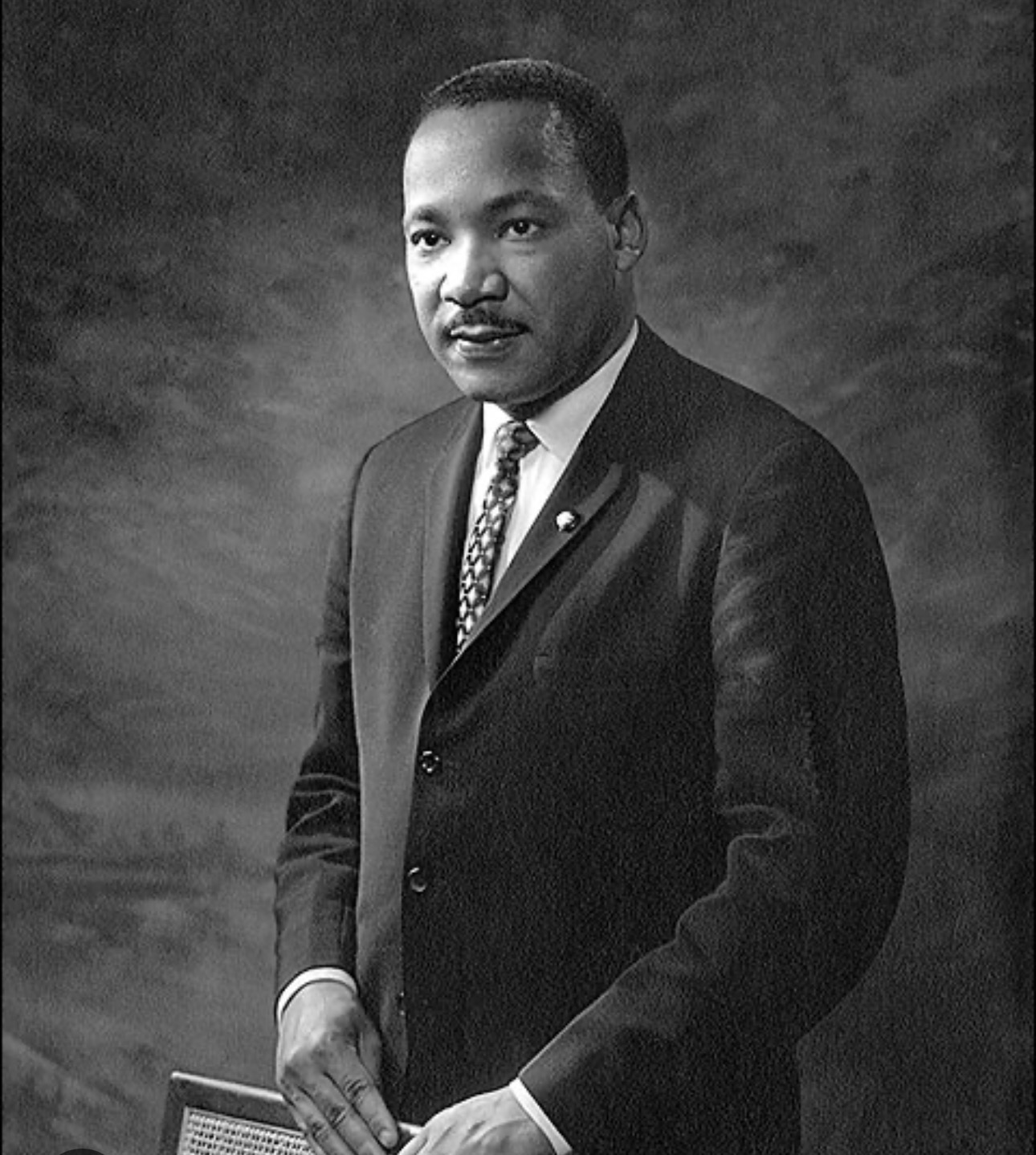
Portrait of Martin Luther King Jr.

Who They Are

Dr. Martin Luther King Jr. was the preeminent leader of the American Civil Rights Movement from the mid-1950s until his assassination in 1968. His philosophy of nonviolent resistance and his dream of racial equality transformed American society and inspired liberation movements worldwide.

Their Story

Born Michael King Jr. in Atlanta, Martin Luther King Jr. grew up in the African Methodist Episcopal Church and earned a doctorate in systematic theology from Boston University. In 1955, at age 26, King led the Montgomery Bus Boycott, a 381-day nonviolent protest against racial segregation. Throughout the late 1950s and 1960s, King led a series of nonviolent campaigns including the Birmingham Campaign, the March on Washington, and the Selma to Montgomery marches. His leadership was instrumental in the passage of landmark legislation: the Civil Rights Act of 1964 and the Voting Rights Act of 1965. On April 4, 1968, he was assassinated in Memphis while supporting a sanitation workers' strike.

Major Accomplishments

  • Led the Montgomery Bus Boycott
  • Organized the March on Washington in 1963
  • Won the Nobel Peace Prize in 1964
  • Instrumental in passage of Civil Rights Act of 1964 and Voting Rights Act of 1965

Impact & Legacy

Martin Luther King Jr. remains the most influential figure in American civil rights history. His philosophy of nonviolence provided a moral framework for social change. King's vision has influenced movements worldwide. His call for a 'beloved community' transcending racial divisions remains relevant as America continues to grapple with systemic racism and social injustice.

Did You Know?

His birth name was Michael King Jr.

The 'I Have a Dream' speech was largely improvisational

He was arrested over 30 times for his activism

Sources & Learn More

Credible references for the information presented on this page.